
How Educational NGOs Are Transforming Lives Through Education
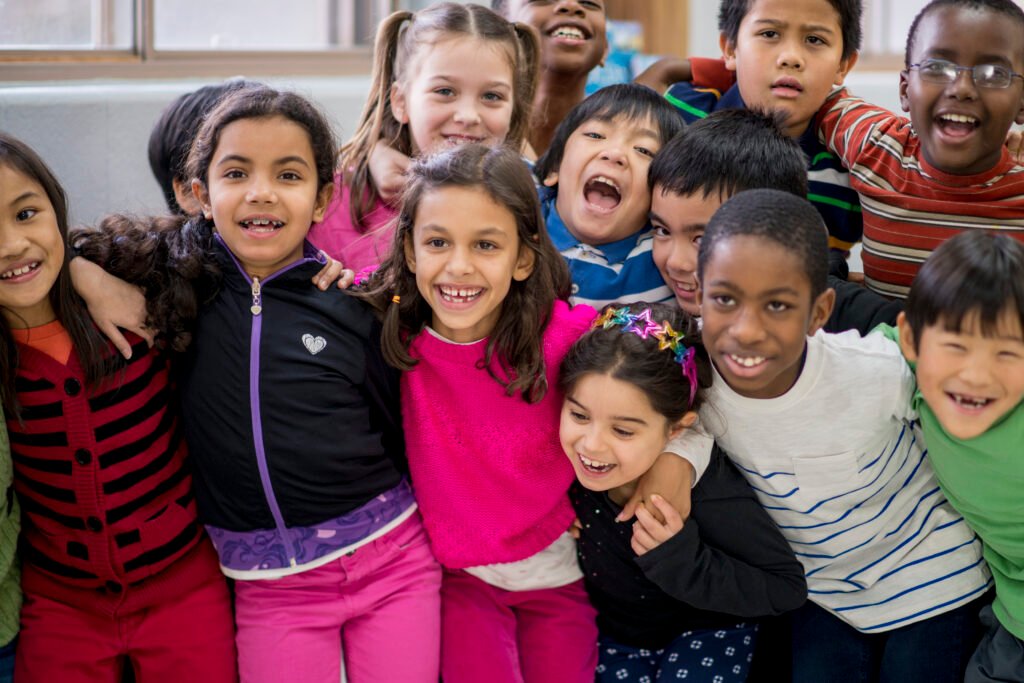
How Educational NGOs Are Transforming Lives Through Education
By Disha Pathania
Disha Charity NGO | Chandigarh
Founded: 2024
Last updated: August 2026
A child’s future can change with something as simple as having the opportunity to learn. Yet access to education is not only about having a school nearby. Children need learning materials, supportive teachers, a safe learning environment and families and communities that can help them stay in education. Educational NGOs are transforming lives through education by helping remove these barriers and creating opportunities for children to learn, grow and build a better future.
Why Education Still Needs Community Action
Education is one of the strongest foundations for individual and community development. It can build literacy, numeracy, confidence, critical thinking and skills that young people can use throughout their lives.
India has made significant progress in expanding access to education. UNICEF reports that India’s primary-school attendance rate is about 95%, while the adjusted net attendance rate is approximately 80% for lower-secondary-age adolescents and 64% for upper-secondary-age youth.
These figures also show why education work cannot stop at primary-school enrolment.
UNICEF notes that challenges remain in ensuring that children receive quality education and develop the foundational skills they need. Its India education programme highlights concerns around learning outcomes, including literacy and numeracy.
UNESCO’s 2025 State of Education Report for India also highlights the importance of inclusive and multilingual education, particularly in a country with enormous linguistic diversity.
In short: Educational NGOs help transform lives by making education more accessible, supporting meaningful learning and addressing barriers that can prevent children from staying in school.
What Do Educational NGOs Actually Do?
Educational NGOs often work directly with children, families, teachers, schools and communities.
Their programmes can address different stages of a child’s educational journey.
| Area of work | Possible NGO support | Intended outcome |
|---|---|---|
| Access to education | Enrolment support, scholarships and school supplies | More children enter and remain in education |
| Foundational learning | Literacy and numeracy programmes | Stronger basic learning skills |
| Teacher support | Training, mentoring and teaching resources | Better classroom learning |
| Digital education | Digital resources and technology access | Wider access to learning |
| Girls’ education | Community support and educational assistance | Greater participation and retention |
| Inclusive education | Accessibility and specialised support | Greater participation of children with disabilities |
| Community engagement | Parent awareness and local outreach | Stronger family support for education |
The right approach depends on the needs of each community.
1. Helping Children Access Education
For some children, the first challenge is simply getting into school.
Financial pressure, lack of school supplies, family circumstances, distance, disability and other social barriers can affect whether children enrol and remain in education.
Educational NGOs can help by providing:
- School supplies
- Scholarships or educational assistance
- Enrolment support
- Learning centres
- Community awareness
- Transportation assistance where appropriate
- Support for children at risk of dropping out
The goal is not merely to put a child in a classroom. The goal is to help create the conditions in which the child can continue learning.
2. Improving Learning, Not Just Attendance
Being enrolled in school does not automatically mean that a child is learning.
Children need opportunities to develop reading, writing, numeracy, communication, problem-solving and other foundational skills.
This is why many education programmes focus on additional learning support, remedial education, small-group activities and individual attention.
UNICEF India notes that poor-quality education can contribute to weak learning outcomes and may increase children’s vulnerability to dropping out of the education system.
For NGOs, this means impact should be measured not only through the number of children reached but also through meaningful indicators such as attendance, participation, learning progress and completion.
3. Supporting Teachers through educational ngo
Teachers have a central role in children’s education.
Even a well-equipped classroom needs teachers who have appropriate training, teaching resources and support.
Educational NGOs may contribute through:
- Teacher training
- Mentoring
- Learning materials
- Lesson-planning resources
- Foundational literacy and numeracy support
- Digital teaching tools
- Peer-learning opportunities
UNESCO’s recent education monitoring work continues to track teacher preparation and qualifications as important components of SDG 4, the global goal for inclusive and equitable quality education.
A Child’s Story: What Educational Support Can Change
Case study status: [VERIFIED Disha Charity NGO STORY REQUIRED]
To protect children and maintain accuracy, Disha Charity NGO should publish a real beneficiary story only after obtaining appropriate consent and verifying the details.
From [Challenge] to [Outcome]
[Nikhil], a [7 ]-year-old child from manimanjra/around Chandigarh], became part of [Disha Charity NGO in may 2024.
Before receiving support, [he] faced educational challenge].
Disha Charity NGO provided [specific intervention — educational materials, tuition support, school supplies, mentoring, scholarship, etc.].
Over 2, programme records showed GOOD RESULT.
For example
- Before: [Verified baseline]
- Support provided: [Specific intervention]
- After: [Verified outcome]
- Measurement period: [Month/Year–Month/Year]
Beneficiary identity, quotation and outcome require consent and verification before publication.
A story like this should never be presented simply as a success headline. Educational progress takes time, and children’s circumstances can change. Honest reporting should acknowledge both progress and continuing challenges.
How Disha Charity NGO Is Working for Education
Founded in 2024, Disha Charity NGO is based in Chandigarh and works to support communities through charitable and social-development initiatives in educational ngo.
Education is an important pathway through which communities can create greater opportunities for children and young people.
Educational Support
[DATA NEEDED: Describe Disha Charity NGO’s actual education programme.]
For example, if applicable, this section could include:
- Distribution of educational materials
- School-support initiatives
- Learning assistance
- Scholarships
- Community education programmes
- Support for children from economically vulnerable families
- Digital learning support
Only programmes actually implemented by Disha Charity NGO should be listed here.
Reaching Children and Families
Education does not happen in isolation.
Parents and caregivers influence children’s attendance, learning habits and long-term educational choices. Community-based programmes can therefore help families understand the value of continued education and identify barriers that may otherwise remain unnoticed.
Disha Charity NGO programme data:
- Children reached: 54
- Families supported :12
- Programme locations: Chandigarh , Mohali, Panchkula,
- Reporting period: 2 years
- Educational support provided: 34
Measuring Educational Impact
For Disha Charity NGO, measuring impact should begin with a simple question:
What changed because this programme existed?
The answer should be supported by programme records rather than assumptions.
For each education initiative, Disha Charity NGO can track indicators such as:
- Number of children enrolled or supported
- School attendance
- Participation in learning activities
- Learning assessment results
- School continuation or completion
- Educational materials distributed
- Teacher or volunteer participation
- Feedback from children and families
Methodology: [DATA NEEDED — Add sample size, geography, measurement period, baseline/endline method and responsible programme team.]
This transparency helps donors, volunteers and community partners understand what their support is achieving.
Education Creates Opportunities Beyond the Classroom
The value of education extends beyond examinations.
A child who develops strong foundational skills can have a stronger basis for continuing education. A young person who completes secondary or vocational education may have more opportunities for further study and employment.
UNICEF reports that India has made major progress in education access, while also identifying continuing challenges in educational quality and learning outcomes.
Education can also help children develop communication, confidence, decision-making and problem-solving skills.
But education alone cannot remove every form of inequality.
Family income, health, geography, social conditions, employment opportunities and public policy all influence a child’s future.
That is why responsible NGO work should avoid promising that education by itself will solve poverty. Instead, education should be understood as one important part of a wider effort to create opportunity.
Why Community-Based Education Matters in Chandigarh
Chandigarh has a strong educational infrastructure, but access to opportunity can still differ between communities.
Children from economically vulnerable families may face barriers that are not always visible from outside the classroom.
For an organisation working from Chandigarh, community-level engagement can help identify those needs more closely.
Disha Charity NGO’s local role should be described using verified programme evidence, such as:
- Communities currently served
- Number of children supported
- Schools or learning centres involved
- Educational materials distributed
- Volunteer hours
- Learning activities conducted
- Partnerships established
[DATA NEEDED: Insert verified Chandigarh-specific programme information.]
The focus should remain on measurable needs rather than broad claims.
What Educational NGOs Cannot Do Alone
NGOs can reach communities, provide additional support and develop innovative programmes. But they cannot replace public education systems.
Long-term educational progress requires cooperation between governments, schools, teachers, families, civil society organisations and communities.
UNICEF’s 2025 annual report demonstrates the scale at which education partnerships operate globally. UNICEF-supported programmes provided education access to 27.8 million out-of-school children across 90 countries in 2025.
For smaller community organisations, the lesson is clear: partnerships, accountability and local knowledge matter.
The Road Ahead
Education is changing rapidly.
Digital tools are creating new possibilities for learning, but technology is useful only when children have access to devices, connectivity, electricity, appropriate content and support.
UNESCO’s 2025 State of Education Report for India also highlights multilingual education as an important part of inclusive learning. India is home to 1,369 languages, making language-sensitive education especially relevant to educational inclusion.
For educational NGOs, the task is therefore not simply to provide more services.
It is to listen to communities, understand specific barriers, support effective learning and measure results honestly.
The goal is not simply to give a child access to a classroom. The goal is to help give that child a genuine opportunity to learn, grow and shape their future.
How You Can Support Disha Charity NGO
Every educational opportunity begins with someone willing to support it as educational ngo works in it.
Your contribution can help Disha Charity NGO expand its education initiatives and reach children who need additional support.
[PRIMARY CTA: SUPPORT EDUCATION THROUGH DISHA CHARITY NGO]
[LINK: Donation Page]
Your support may help fund [verified use of donations — educational materials / learning support / scholarships / programme expansion].
About Disha Charity NGO
Disha Charity NGO is a nonprofit organisation based in Chandigarh is also a educational ngo, founded in 2024.
The organisation works to support communities through charitable initiatives, with education forming an important area of social impact.
Mission: [INSERT VERIFIED MISSION STATEMENT]
Founded: 2024
Location: Chandigarh, India
Author: Disha Pathania
For information about Disha Charity NGO’s programmes, impact and transparency about its educational ngo :
- [LINK: About Disha Charity NGO]
- [LINK: Education Programme]
- [LINK: Annual/Impact Report]
- [LINK: Contact Us]
- [LINK: Donation Page]
Frequently Asked Questions
What do educational NGOs do?
Educational NGOs help improve access to education and learning. Depending on community needs, they may provide school supplies, scholarships, learning support, teacher training, digital resources, community outreach and other forms of educational assistance.
How do educational NGOs transform lives?
Educational NGOs can help remove barriers that prevent children from entering, staying in or benefiting from education. They can also provide additional learning support and connect families with educational opportunities.
Why is education important for children?
Education helps children develop foundational knowledge and skills while creating pathways toward further education, employment and participation in society.
What is the role of Disha Charity NGO in education?
Disha Charity NGO, founded in 2024 and based in Chandigarh, supports charitable initiatives and can use education programmes to help create learning opportunities for children and communities. Specific programme outcomes should be reported using verified organisational data.
How can I support Disha Charity NGO ?
You can support Disha Charity NGO through its verified donation and volunteering channels. Donations should be clearly linked to the organisation’s current programmes and stated needs and helps in educational ngo.
How can I know whether an educational NGO is trustworthy?
Look for transparency about the organisation’s mission, programmes, leadership, finances, beneficiaries and impact. Annual reports, programme data, financial information and clear explanations of how donations are used can help build donor confidence.